Moorish TripsMorocco tour operator

Written by Ali Yakoubi and our local team

Morocco Travel Guide

Field-tested itineraries, driving realities, tipping norms, August 2027 solar eclipse timing, and Sahara packing advice drawn directly from 20 years of operating routes out of Rissani and Merzouga.

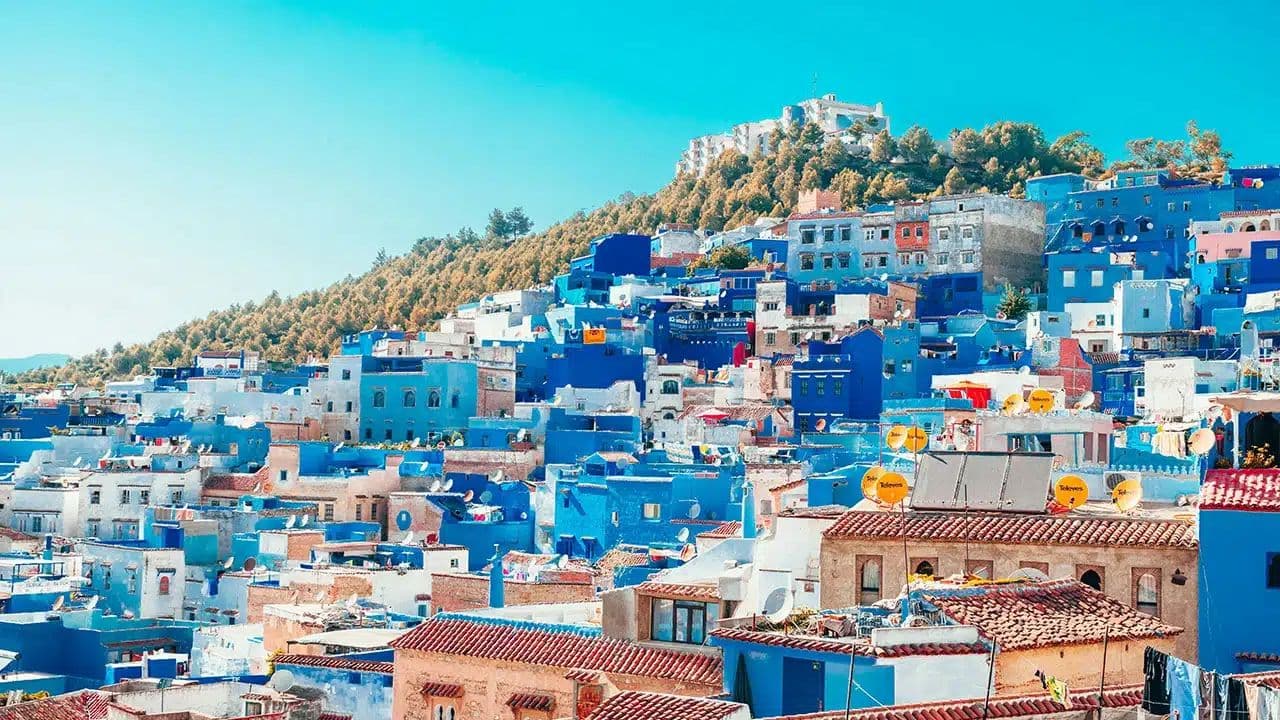
Blue houses on the hillside of Chefchaouen
Itineraries10 min read

10-Day Morocco Itinerary: The Classic Loop, Day by Day

Ten days is the ideal length for a first trip to Morocco. It lets you see Rabat, the blue town of Chefchaouen, Fes, two nights in the Sahara at Merzouga, the Todra and Dades gorges, Ait Ben Haddou and Marrakech without long days back to back. The classic loop starts in Casablanca, where most international flights land, and ends in Marrakech. Below is the day-by-day plan we use for our own private tour, with real driving times.

Read field guide
Travelers inside the kasbah of Ait Ben Haddou
Itineraries10 min read

7-Day Morocco Itinerary: Realistic Route & Driving Times

In 7 days you can see Morocco's three big highlights, the Sahara, the imperial cities and the blue town of Chefchaouen, if you travel one way instead of in a loop. The route that works best goes from Marrakech over the High Atlas to the Merzouga dunes, north to Fes and Chefchaouen, and ends in Casablanca, or the same route in reverse. It has one long driving day, from the desert to Fes, and the rest are 4 to 5 hours with stops.

Read field guide
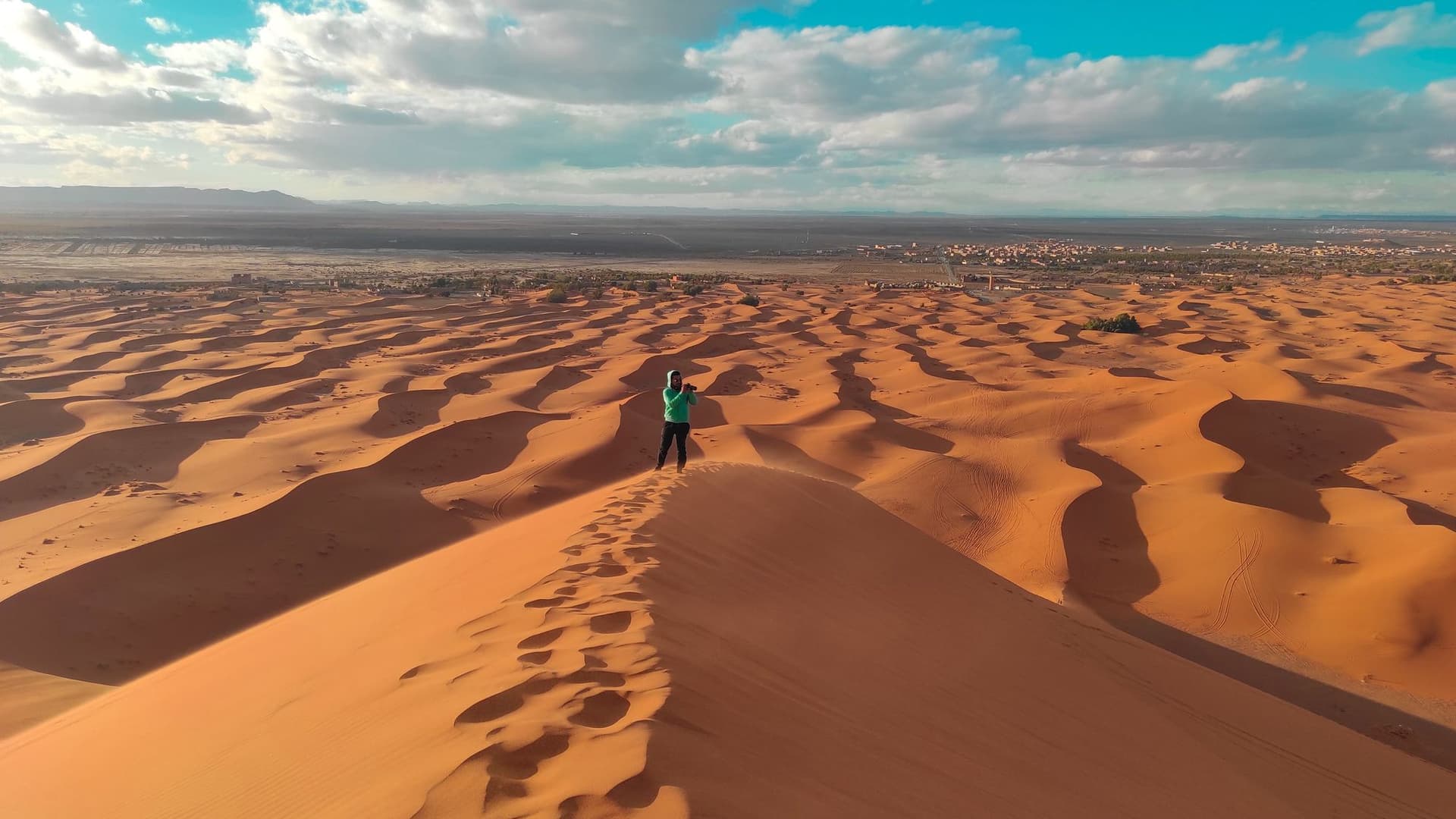
A Moorish Trips group in the Merzouga desert
Planning8 min read

How to Choose a Morocco Tour Company: 10 Checks Before You Book

The best Morocco tour company for you is one that is properly registered, has many recent reviews that mention drivers and guides by name, runs the desert part of the trip with its own team or close partners, gives a clear day-by-day itinerary and a written price, and asks for a reasonable deposit rather than full payment upfront. Below are the ten checks we suggest to any traveler comparing operators, including us.

Read field guide
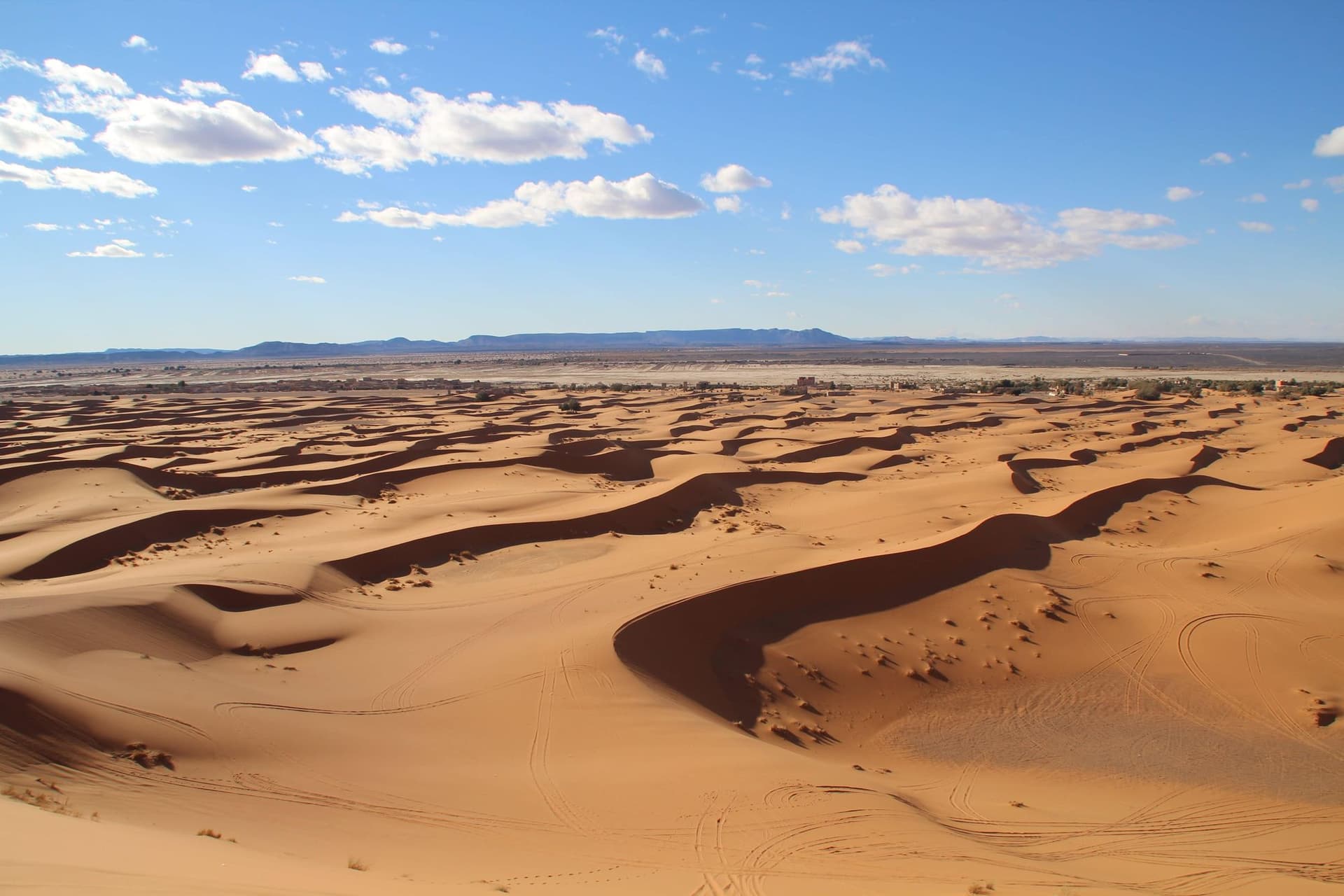
The Erg Chebbi dunes near Merzouga
Planning11 min read

15 Best Places to Visit in Morocco

The best places to visit in Morocco are Marrakech, Fes, the Merzouga dunes of Erg Chebbi, Chefchaouen, Ait Ben Haddou and Essaouira, followed by the Todra and Dades gorges, Volubilis and Meknes, Rabat, Tangier, Casablanca, the High Atlas around Imlil and the Ouzoud waterfalls. On a first trip of 7 to 10 days, most travelers combine two imperial cities with a night in the Sahara. Here is what each place is like, and how they fit together on the road.

Read field guide
Wide view over the Erg Chebbi dunes near Merzouga
Weather & Timing9 min read

Best Time to Visit Morocco by Region & Season

The best time to visit Morocco for most trips is spring, from March to May, and autumn, from late September to November. Days are warm but not hot in Marrakech, Fes and the Sahara, nights in the desert are mild, and the mountains are green or golden. Summer suits the Atlantic coast and the High Atlas better than the cities and the desert, and winter is sunny and quiet but brings cold desert nights and snow on the Atlas passes.

Read field guide
Green valley in the High Atlas near Imlil
Planning8 min read

How Many Days in Morocco Do You Need?

For a first trip, 7 to 10 days is the right length for Morocco. Seven days covers the classic route of Marrakech, the Sahara, Fes and Chefchaouen if you travel one way. Ten days adds breathing room and the coast, and two weeks lets you see most of the country without rushing. With only 3 to 5 days, focus on one or two places, for example Marrakech plus a desert trip, rather than trying to see everything.

Read field guide
Travelers on a camel trek in the Merzouga dunes
Transport & Logistics8 min read

How to Get to Merzouga: Routes, Buses, Flights & Tours

Merzouga has no train station and no airport of its own, so you get there by road. The four main ways are a private tour from Marrakech (about 560 km, 9 hours of driving) or Fes (about 465 km, about 7 hours); a flight to Errachidia (ERH), about 2 hours' drive away; the daily Supratours bus from Marrakech or Fes; or driving yourself on paved roads all the way to the village. Which one suits you depends on how much time you have and whether you want to see the route or just arrive.

Read field guide
Rippled dune sea of Erg Chebbi in Merzouga
Sahara Comparison9 min read

Merzouga vs Zagora: Which Morocco Desert Should You Choose?

Choose Merzouga if you want the tall golden dunes most people picture when they think of the Sahara and you have at least 3 days, or if you are travelling between Marrakech and Fes. Choose Zagora if you only have 2 days from Marrakech and are happy with smaller dunes, a palm-filled valley and a desert camp night. If you want big dunes and no crowds and have 3 or 4 days, look at Erg Chigaga beyond Zagora.

Read field guide
Carpeted entrance to a luxury desert camp in Merzouga
Costs & Pricing9 min read

How Much Is a Morocco Desert Tour?

A private 3-day desert tour from Marrakech to Merzouga costs about €485 per person for two travelers, which is the average of the private offers we checked on the main booking sites in November 2026. The price per person falls as the group grows: with 7 or more travelers our same private tour is €255 per person. Shared group tours cost roughly €165 to €300 per person, but you share the bus, the schedule and often the tent. A 2-day trip to Zagora is the cheapest real desert option, from €180 per person in a group of 7 or more.

Read field guide
Blue houses on the hillside of Chefchaouen
Events & Astronomy11 min read

Morocco Solar Eclipse 2027: Totality Path, Timing & Travel Guide

On Monday 2 August 2027 a total solar eclipse crosses northern Morocco in the morning. Tangier gets about 4 minutes 52 seconds of totality, from about 08:44:44 to 08:49:36 Morocco time, and the coast near Tetouan (Martil and M'diq) gets the longest in the country at about 4 minutes 54 seconds. Chefchaouen is inside the path too, with about 4 minutes 15 seconds. Fes, Rabat, Casablanca and Marrakech see only a partial eclipse. All times here are Morocco time, which since 20 September 2026 is GMT (UTC+0) all year. If a website or app gives you 09:44 for Tangier, it is still using the old GMT+1 clock.

Read field guide
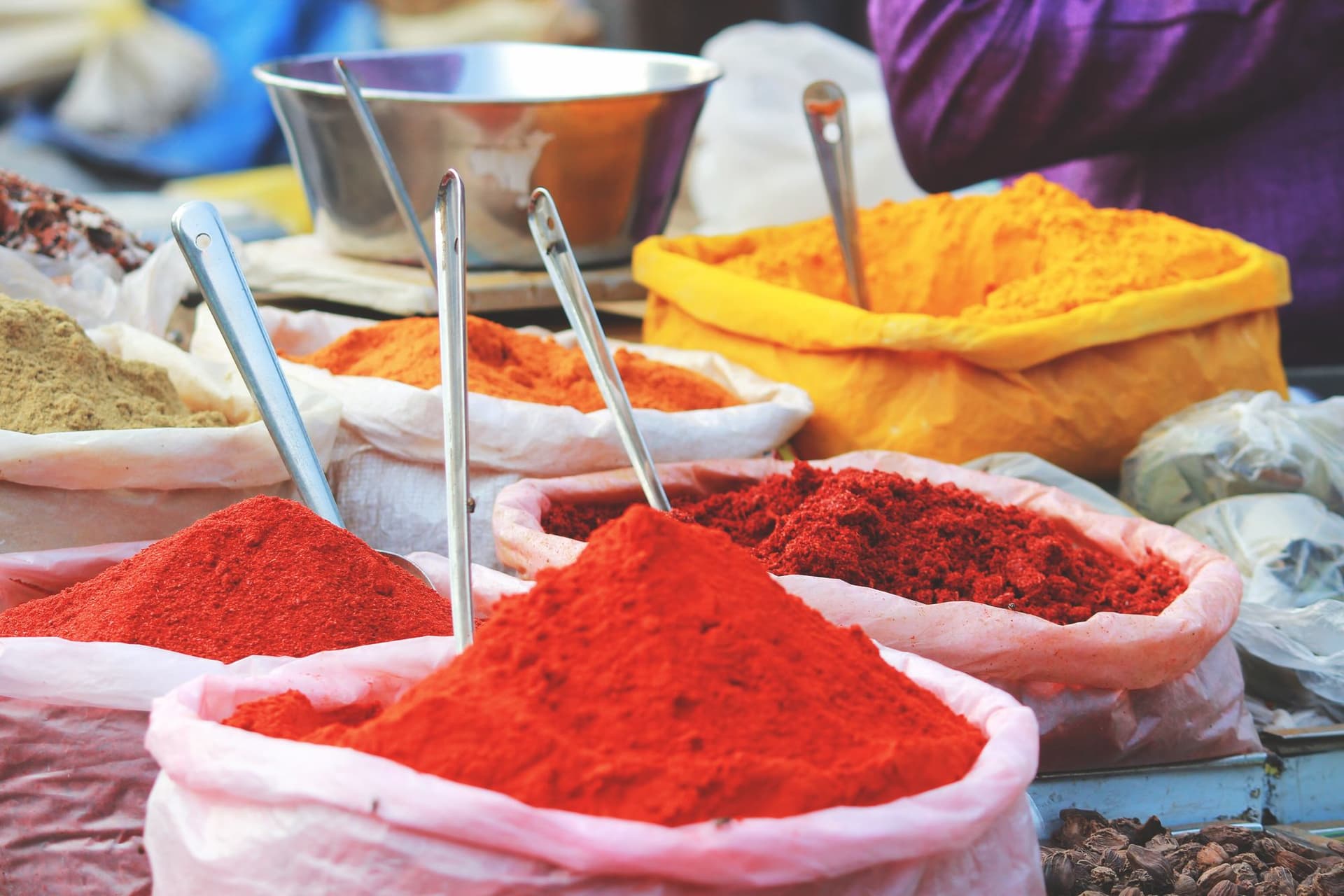
Spices for sale in a Moroccan souk
Planning10 min read

Morocco Travel Tips: 20 Things to Know Before You Go

The most useful things to know before a first trip to Morocco: carry cash in dirhams, buy a local SIM card at the airport, dress modestly in medinas and villages, agree on a price before any service, ask before photographing people, and plan around Friday prayers and Ramadan. Morocco is a welcoming and relatively easy country to travel in once you know these habits. Here are 20 tips we give our own guests before they land.

Read field guide
Blue alley and doors in the medina of Chefchaouen
Safety & Etiquette11 min read

Is Morocco Safe for Tourists? An Honest Guide from a Local Operator

Yes, Morocco is a safe country for tourists. Millions of visitors travel each year without problems, violent crime against tourists is rare, and tourist areas have a visible police presence. The real risks are petty theft in crowds, persistent touts and scams in the medinas, harassment of women travelling alone, and road accidents, especially at night. Most governments ask travelers to take increased care because of a terrorism risk, as they do for much of Europe. Below is what the advisories say, what actually goes wrong, and how we keep our own guests safe on the road.

Read field guide
Marrakech with the snowy High Atlas behind
Weather & Timing8 min read

Morocco in Winter: A Practical Guide to December, January and February

Morocco is a good winter destination if you like sunshine and are ready for cold nights. From December to February, Marrakech has sunny days around 19 to 21°C and nights around 6 to 8°C, the High Atlas is covered in snow, and the Sahara has mild, clear days and nights close to freezing. It is the quietest season for most sights, except at Christmas and New Year, when the desert is at its busiest.

Read field guide
Green valley in the High Atlas near Imlil
Weather & Timing10 min read

Morocco Weather by Month: What to Expect Across the Country

Morocco's weather depends as much on where you are as on the month. Spring (March to May) and autumn (September to November) are warm and pleasant almost everywhere. Summer is very hot inland, often above 37°C in Marrakech and the desert, while the Atlantic coast stays around 20 to 25°C. Winter brings sunny days and cold nights, with snow in the High Atlas and nights near freezing in the Sahara. The table and month-by-month notes below show what to expect in each region.

Read field guide
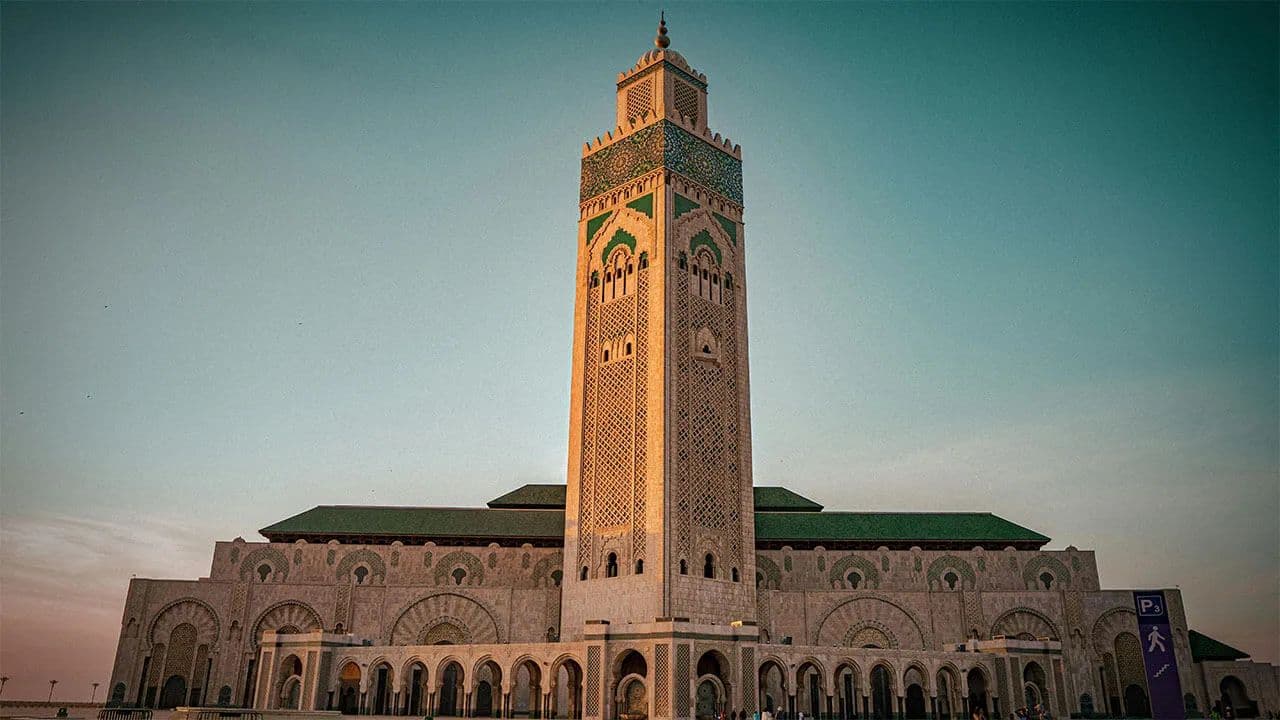
The Hassan II Mosque on the ocean in Casablanca
Destinations8 min read

Things to Do in Casablanca: One Day in Morocco's Biggest City

Casablanca is Morocco's largest city and economic capital, and for many travelers the first stop after landing at Mohammed V Airport. The essential things to do are the guided tour of the Hassan II Mosque, a walk along the Corniche, the Habous quarter, the Art Deco buildings downtown and lunch with an ocean view. One day is enough for the highlights before heading to Rabat, Fes or Marrakech.

Read field guide
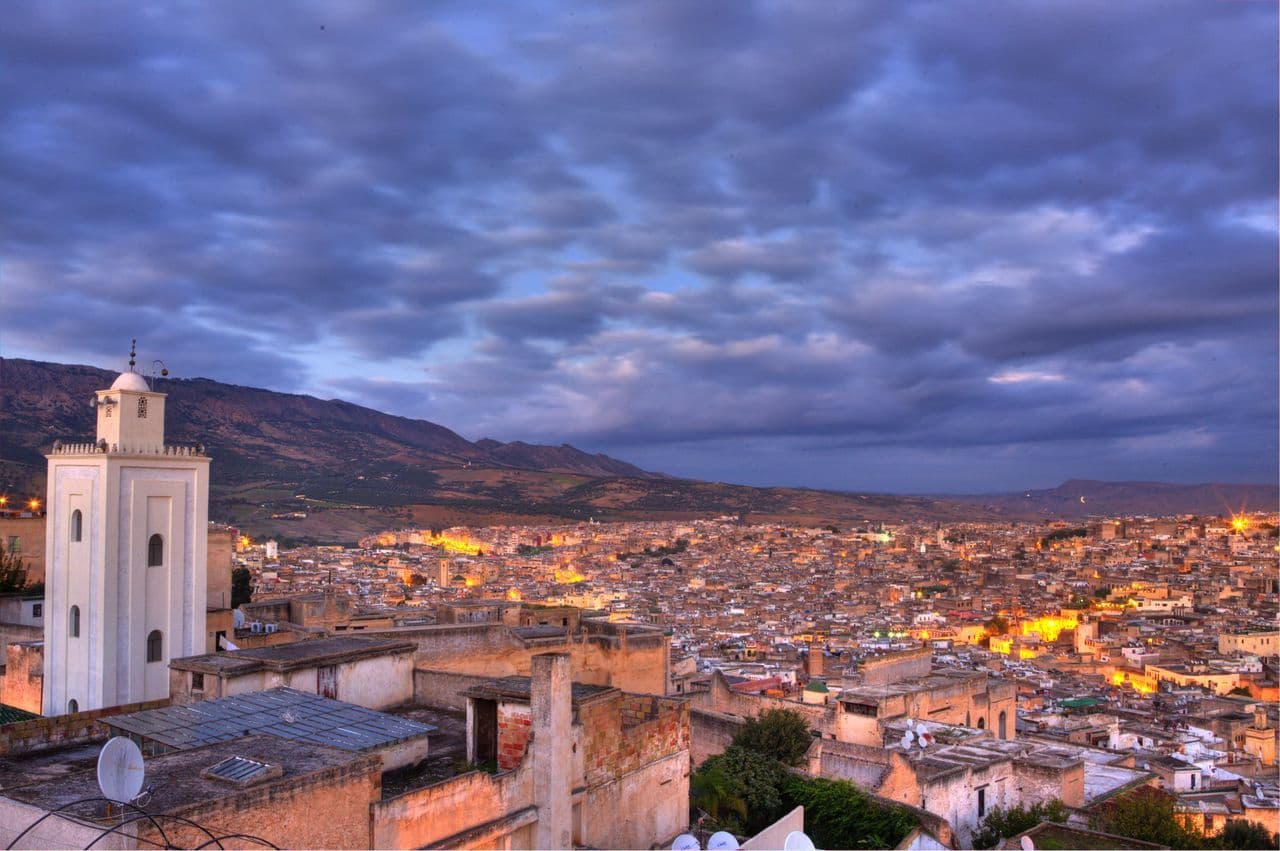
Panorama over the old medina of Fes
Destinations10 min read

Things to Do in Fes: A Local Guide to the Old Medina

Fes is the oldest of Morocco's imperial cities and the best place in the country to see a living medieval medina. The top things to do are walking Fes el-Bali from Bab Bou Jeloud, visiting the Bou Inania and Al-Attarine madrasas, looking into Al-Qarawiyyin, watching the Chouara tannery from a terrace, and climbing to the Merinid Tombs for the view at sunset. Plan at least one full day with a licensed local guide, and two if you can.

Read field guide
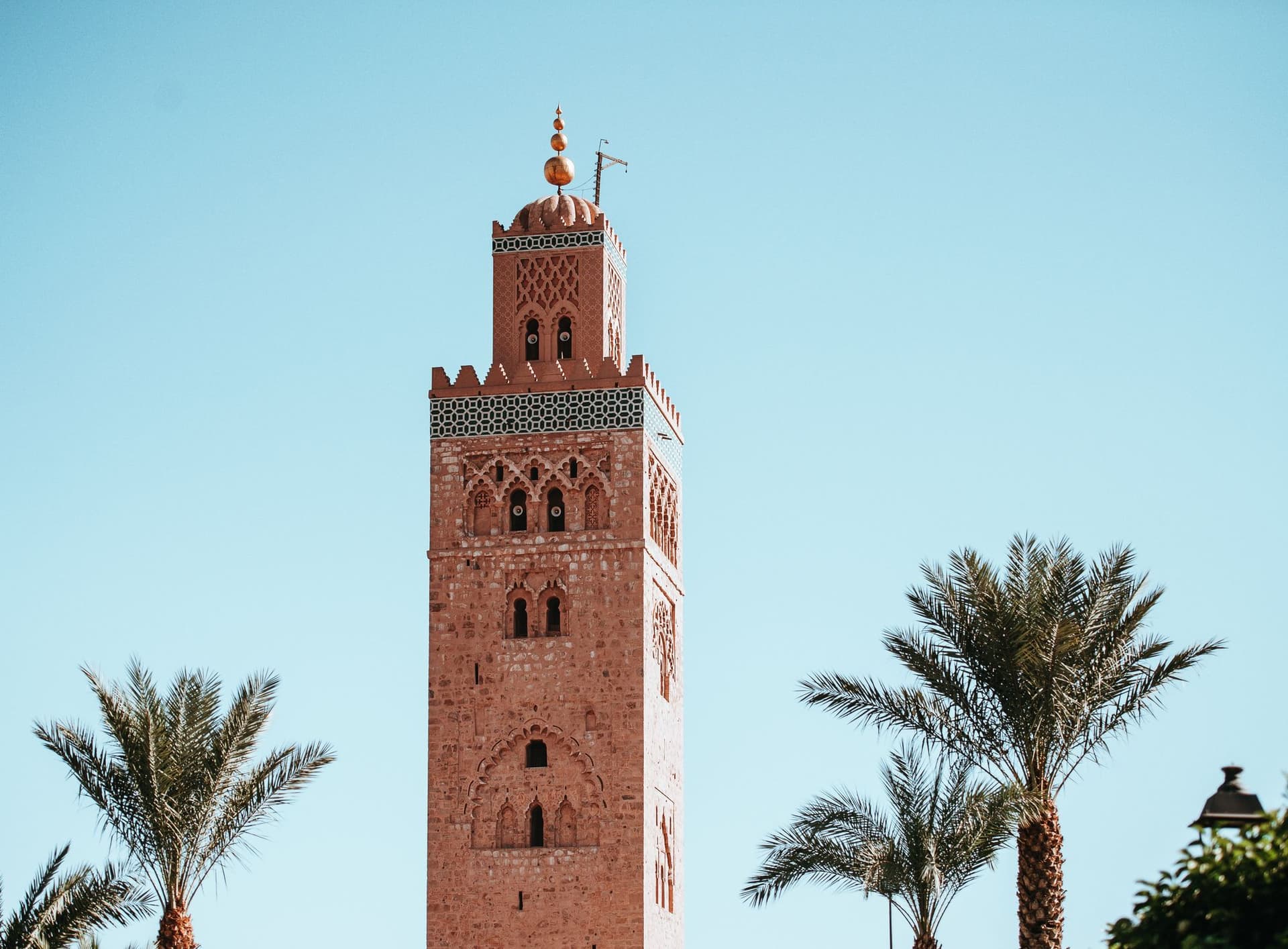
The Koutoubia minaret in Marrakech
Destinations10 min read

Things to Do in Marrakech: A Local's Guide to the Red City

Marrakech is our home city and the place most trips to Morocco begin. The top things to do are Jemaa el-Fna square at dusk, the Koutoubia minaret, Bahia Palace, the Ben Youssef Madrasa, the Saadian Tombs, Majorelle Garden and a slow walk through the souks, followed by a day in the Atlas Mountains or the Agafay desert. Three days lets you see the city and take one day trip.

Read field guide
Gate of the Kasbah of the Udayas in Rabat
Destinations7 min read

Things to Do in Rabat: A Day in Morocco's Capital

Rabat is the capital of Morocco and one of its four imperial cities, a calm, green city on the Atlantic at the mouth of the Bou Regreg river. The best things to do are the Kasbah of the Udayas and its Andalusian garden, the Hassan Tower and the Mausoleum of Mohammed V, the Roman and Merinid ruins of Chellah, the medina, and a walk along the river and the ocean. One day is enough for the main sights, and Rabat fits easily between Casablanca and Fes or Chefchaouen.

Read field guide
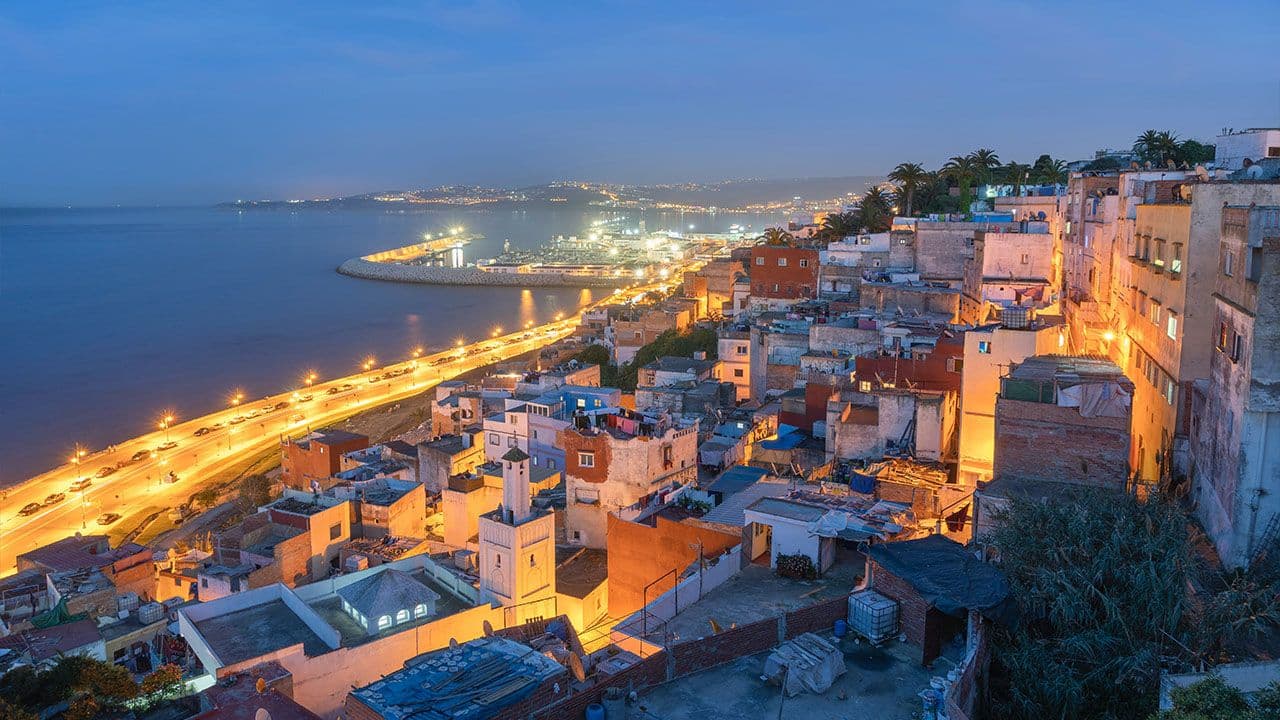
Tangier and its bay at dusk
Destinations8 min read

Things to Do in Tangier: Morocco's Gateway to Europe

Tangier sits on the Strait of Gibraltar, where the Mediterranean meets the Atlantic, with Spain visible across the water on clear days. The best things to do are the Kasbah and its museum, the Grand Socco and the Petit Socco in the medina, the Tangier American Legation, mint tea at Café Hafa, and a drive west to Cap Spartel and the Caves of Hercules. One full day covers the city; most travelers continue to Chefchaouen and Fes.

Read field guide
Travelers in long, light clothes on a camel ride in Merzouga
Packing9 min read

What to Wear in Morocco: A Packing Guide by Season and Place

In Morocco, wear light, loose clothes that cover your shoulders and knees in cities, medinas and villages, and bring layers: a typical tour crosses a hot city, a cold mountain pass and the desert, where nights are cool for much of the year. Women do not need to cover their hair, and men are best in trousers rather than shorts away from the beach. Comfortable closed shoes, a scarf, a hat and a warm layer for the evening cover most situations.

Read field guide
Tagines cooking slowly over charcoal
Food & Culture9 min read

Moroccan Food: 15 Dishes to Try on Your Trip

Moroccan food is built on slow cooking, spices used with a light hand, and bread with every meal. The dishes to try first are tagine, Friday couscous, pastilla, harira, tanjia in Marrakech and medfouna in the Sahara town of Rissani, followed by mint tea and almond pastries. Below are 15 dishes we eat with our own guests on the road, with where and when each one is at its best.

Read field guide
Moroccan lanterns lit in the evening
Culture & Etiquette9 min read

Traveling to Morocco During Ramadan: What to Expect

Yes, you can travel in Morocco during Ramadan, and many visitors find it one of the most interesting times to come. Hotels, riads, monuments, trains and tours keep working, restaurants for visitors stay open, and desert camps run as usual. Days are quieter and some local cafés close until sunset, then the streets fill up after iftar, the meal that breaks the fast. In 2027, Ramadan is expected to begin around 8 February and end around 9 or 10 March, depending on the moon sighting in Morocco.

Read field guide

Marrakech head office · 24/7 local support

Plan Your Private Morocco Journey Direct with a Local Team

Tell our Sahara specialists your arrival city, dates, and travel style. Receive a transparent euro quote and day-by-day route directly from our Marrakech office.

Book on WhatsApp